
Volver a Noticias
Visita a Universidad de Concepción y proyecto Campus Naturaleza
Jul 30, 2025
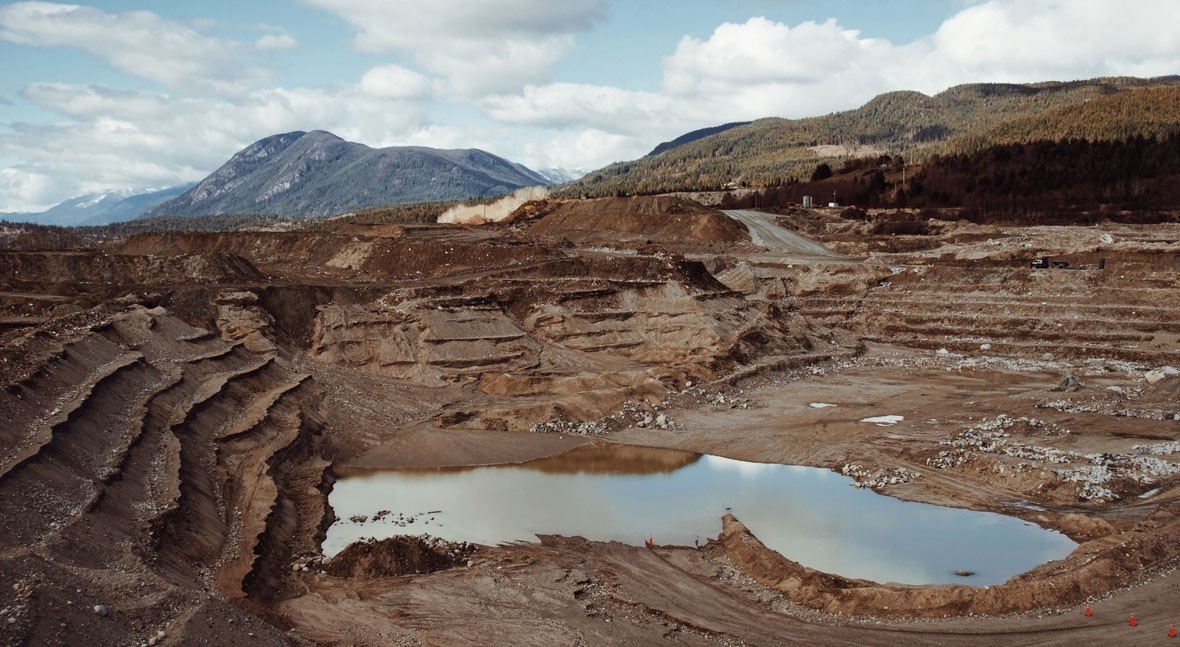
In a recent interview, Alejandra Stehr addresses a key issue for the country’s sustainable development: the path mining must take toward truly efficient and responsible water management.
The article highlights critical aspects for making progress in this area. Among them, it emphasizes the role of desalination as a relevant alternative, although it still faces challenges related to its efficiency and high energy consumption. It also raises the need to transition toward shared infrastructure, particularly through multipurpose plants that overcome the current fragmented approach and enable the supply of water not only to the mining sector but also to other productive sectors. Added to this is the urgency of improving water efficiency by promoting recirculation and reducing losses in mining processes.
Beyond the technical aspects, the discussion points to a greater challenge: moving toward water management based on collaboration and a long-term vision. In a context of climate change and growing pressure on water resources, the adoption of multi-user models and integrated solutions becomes essential to ensure the resilience of both the territories and the productive activities that depend on them.
In this context, the current regulatory framework—such as the Framework Law on Climate Change and the reform of the Water Code—also takes on particular significance, as these incorporate tools like strategic water resource plans for river basins, which are considered key to advancing toward greater water security.
Thus, the discussion raises a central question for the sector’s future: Are we prepared to transition from individual solutions to collective water management?
Invertir en naturaleza, invertir en futuro.
Encuéntranos en
NaturaInvest © 2025 — Chile
Fotografías © Mateo Barrenengoa Lecannelier
Todos los derechos reservados.